How Do I Get There?
Born from real journeys, built with engineering.
Routavio is an independent door-to-door travel planning platform that combines flights, trains, buses and ferries into a single journey. Its founder and developer is Halil Çınar, a Computer Engineering graduate of Kadir Has University and the top graduate of the Information Technologies master's program at Sabancı University.
 Halil Çınar · Founder and Developer of Routavio

Routavio and Its Founder in Brief
The idea for Routavio came from Halil Çınar's travels across more than 50 countries and from the transport planning problems he met on trips with a group of friends. Routavio started as a master's graduation project at Sabancı University and has grown into a travel search platform used in Europe and Türkiye today.
Routavio does not sell tickets. The booking is completed with independent providers, and the provider confirms the final price and availability.
A real product from someone who knows travel and actually travels.
If you leave Routavio knowing how to get there, we are happy.
Journeys
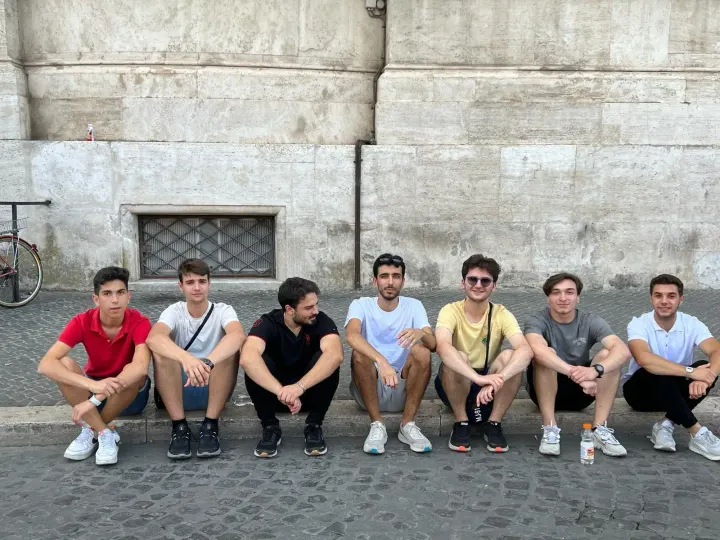
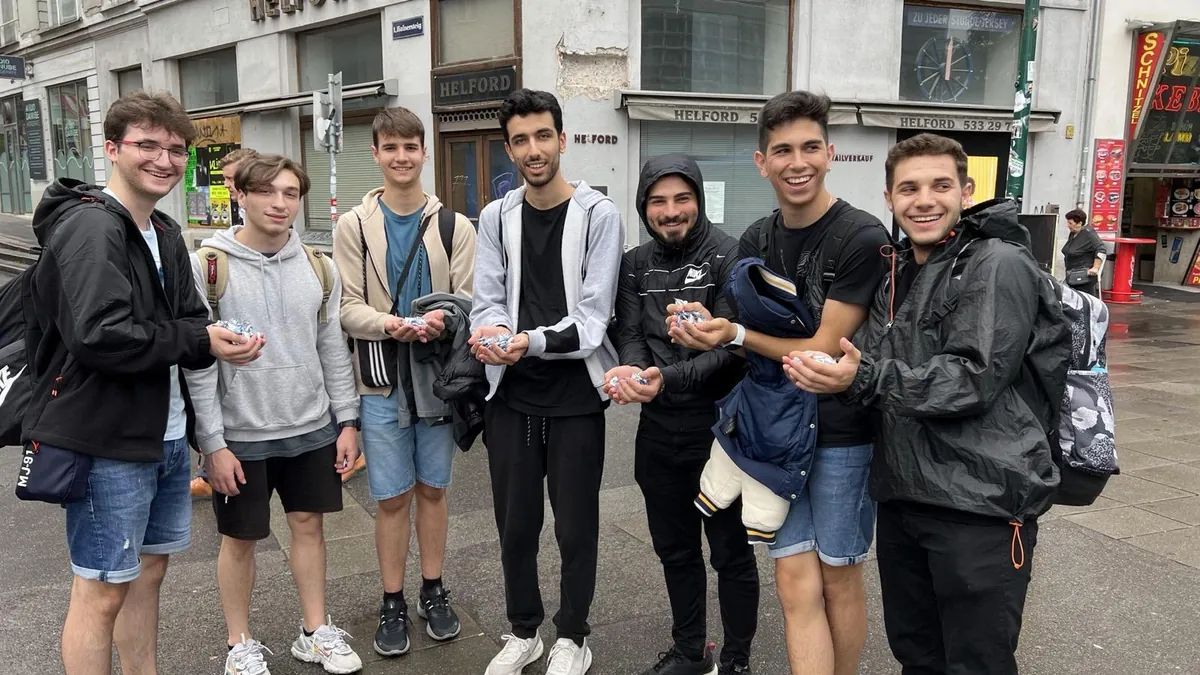
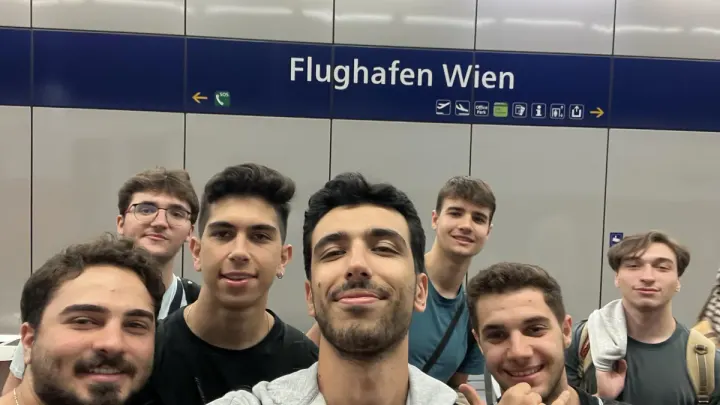
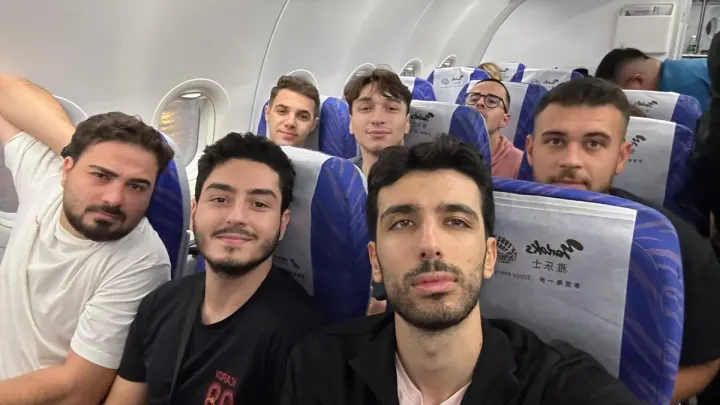
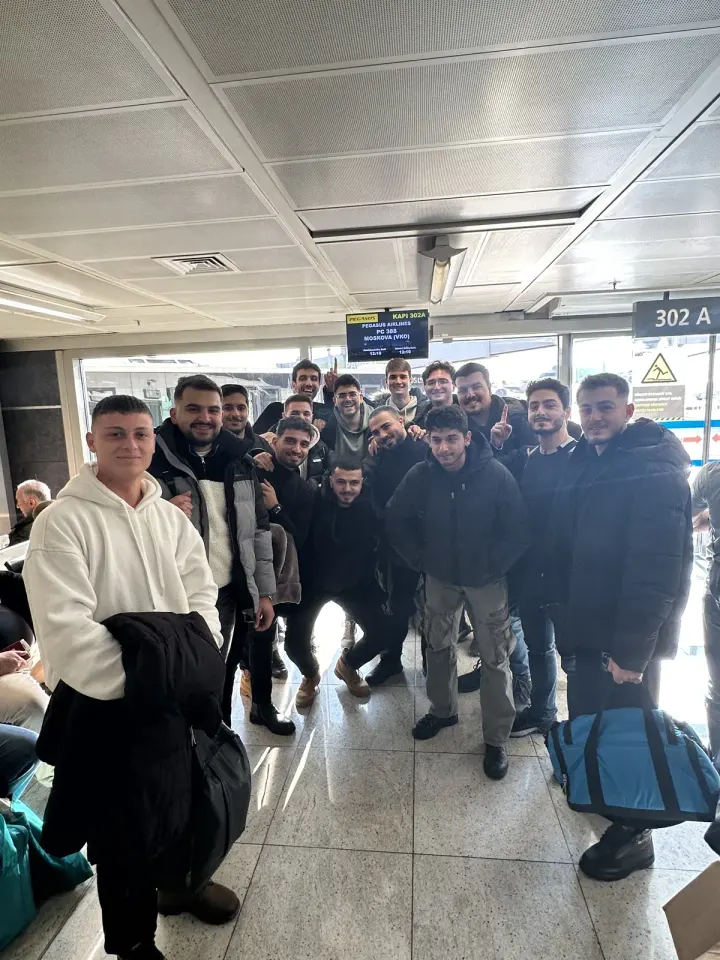
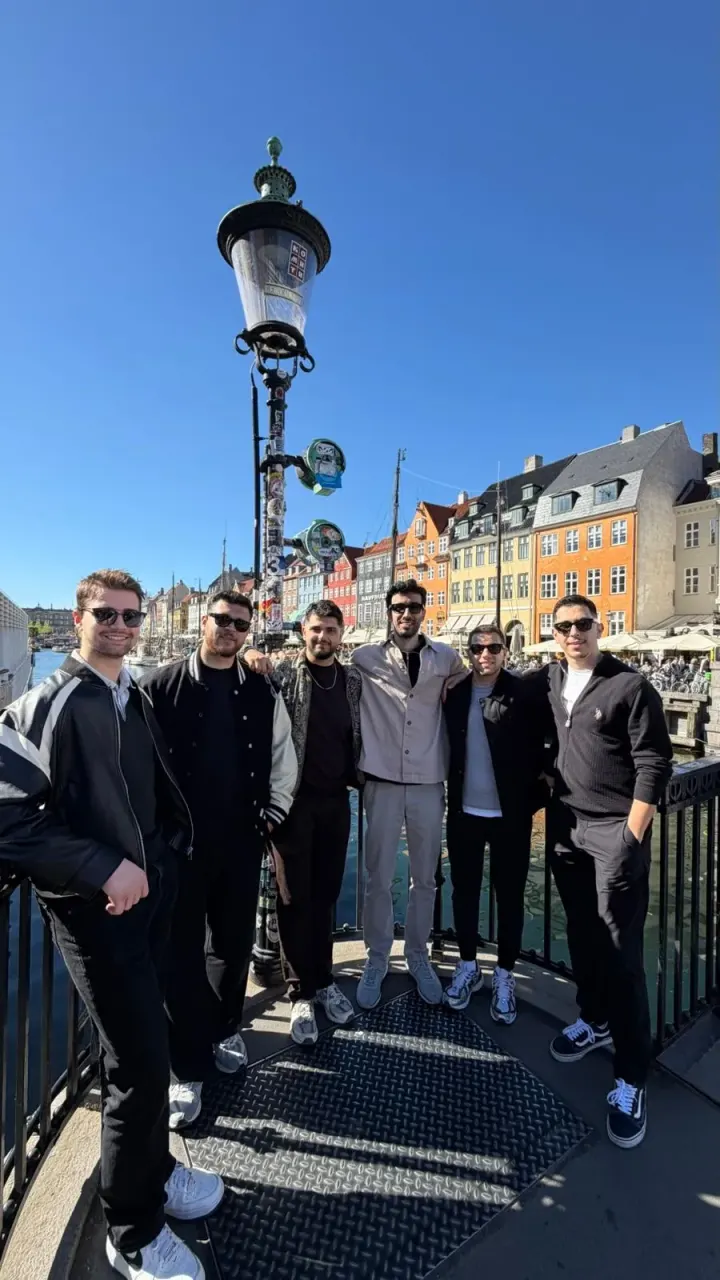
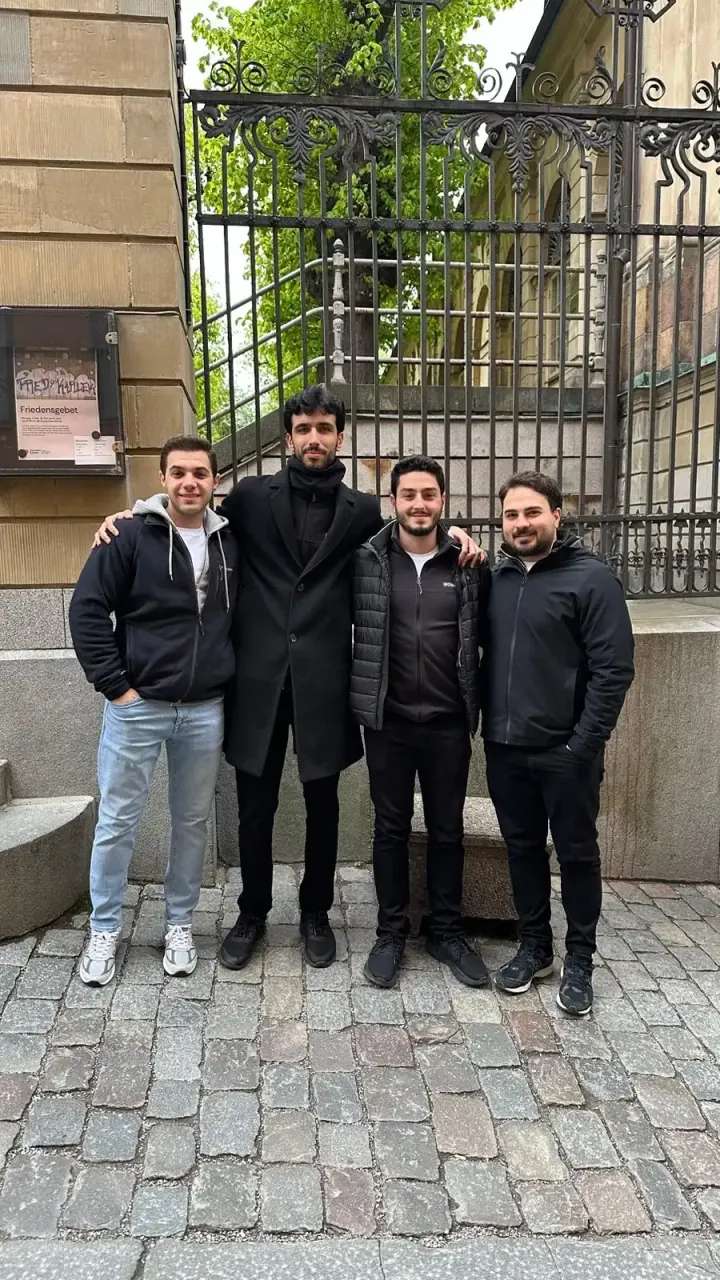
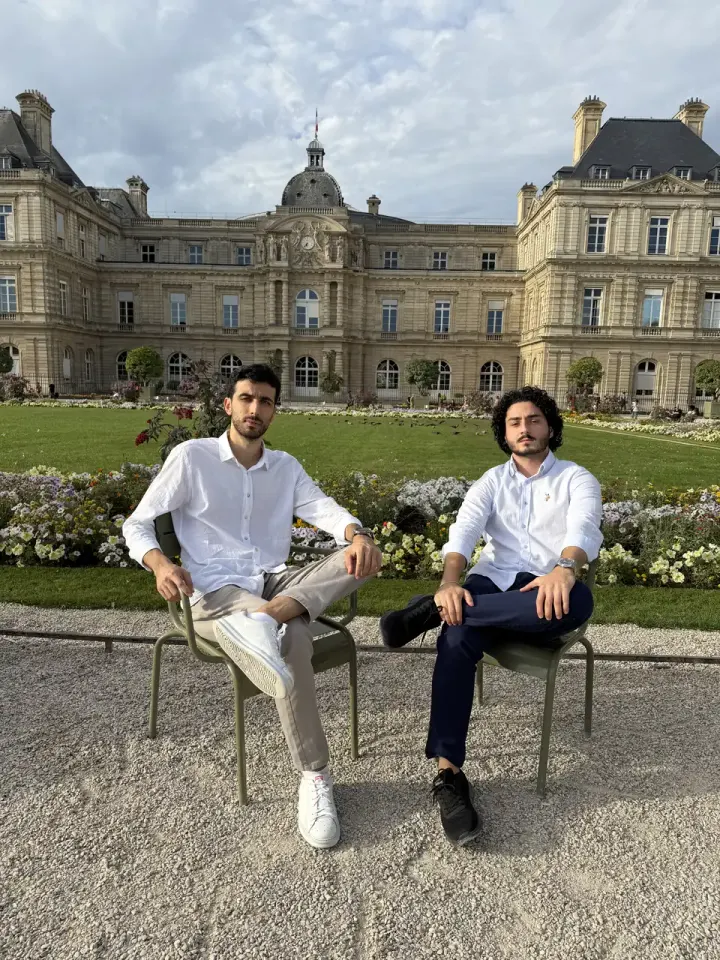
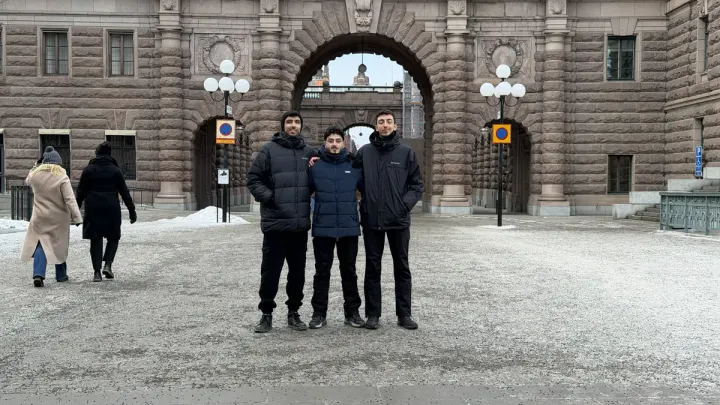
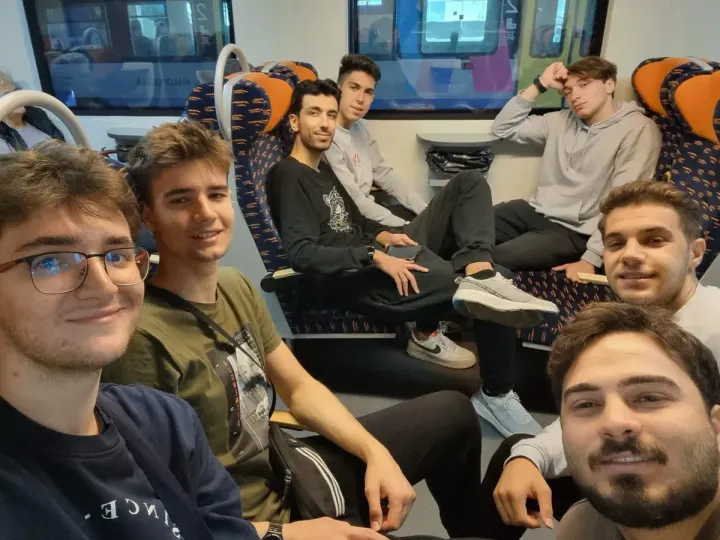
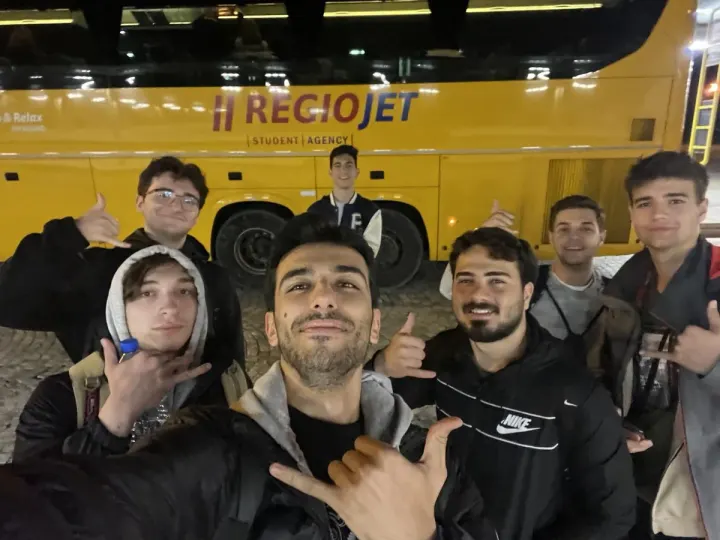
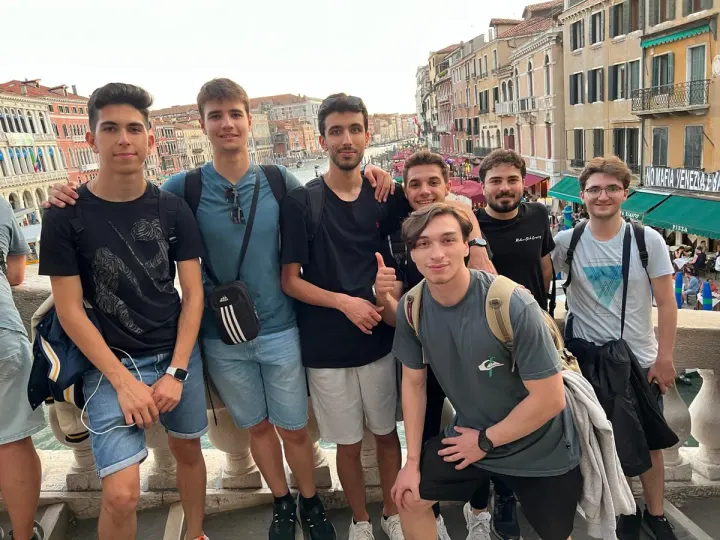
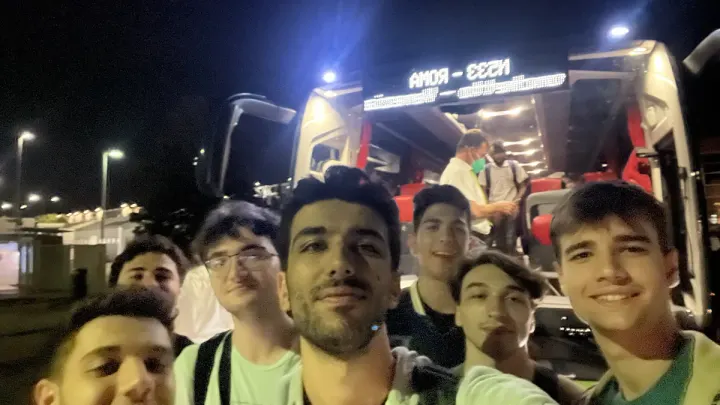
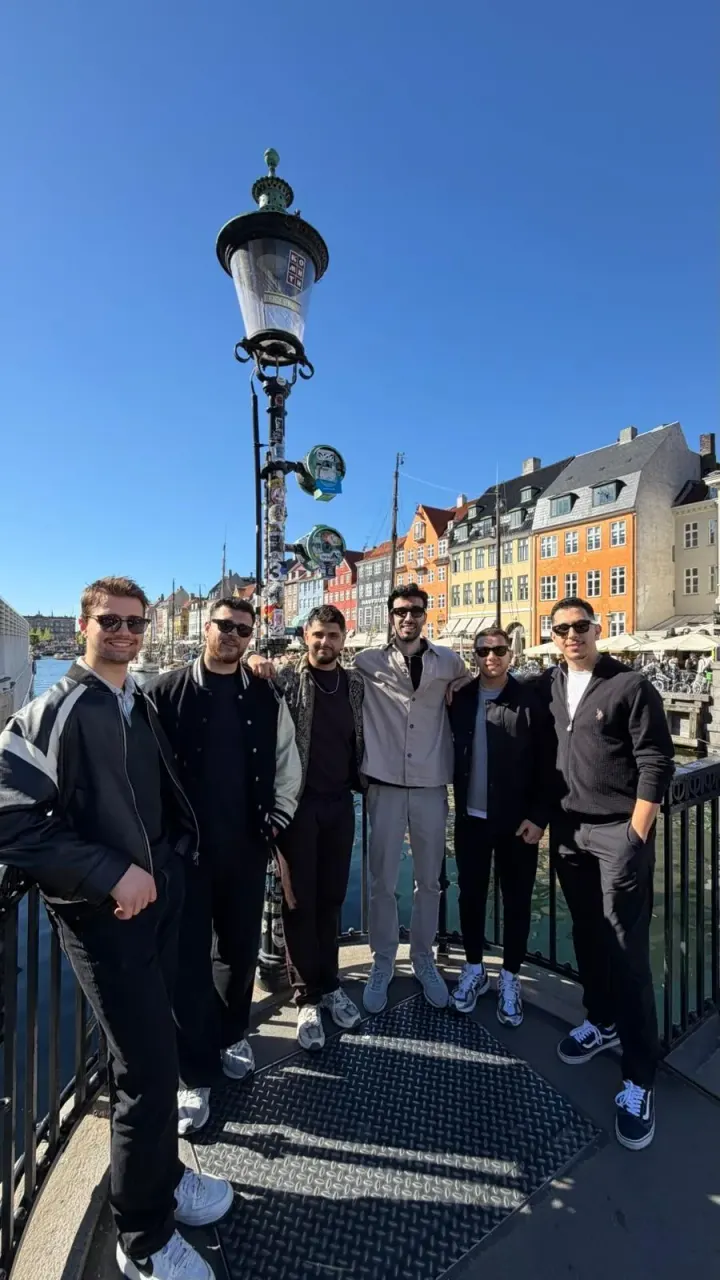
Most of my travels have been with friends. We have explored dozens of countries together, often starting from different cities, with different budgets and different ways of getting there. Somehow, I usually ended up being the one planning everything.
There was another side to it, too. Several of my friends went on Erasmus to different parts of Europe, and they weren't always living in major cities. Visiting them wasn't always as simple as booking a flight. Sometimes the nearest airport wasn't the most convenient one, and getting to their town meant figuring out another train, bus, or connection.
I remember spending more time working out how to reach certain places than actually choosing where to go.
Over time, I realised I kept running into the same problem, whether I was organising a trip with friends or visiting someone abroad: finding a flight was easy enough, but figuring out the whole journey was a different story.
The Problem
Where Did the Idea for Routavio Come From?
The place I wanted to reach was often not an airport but a town. When you want to go to Colmar or Maastricht, flight sites show you a ticket from airport to airport. The real question is different: how do I get there from my front door? I could not get an answer to that in one place.
What Did You Struggle with Most?
Putting the pieces together. The flight was on one site, the train on another, the bus on a third. I had to stack times, connections and prices in my head. After travelling across Europe I saw that the problem is the same in every country; only the websites change.

Why Door to Door and Not Just Flights?
Because the best way is often not the one made with a single vehicle.
Colmar
Fly to Basel-Mulhouse airport, then by bus and train to Alsace
Maastricht
Fly to Eindhoven, Brussels or Düsseldorf, then by train to the Meuse
Annecy
Fly to Geneva, then by bus into the French Alps
Bruges
Fly to Brussels, then by train to Flanders
A search engine that looks at one vehicle cannot see these routes. Routavio was built to see them.
The Cheapest Flight Isn't Always to Your Destination
Sometimes the cheapest way to reach a city is to fly somewhere else. When you plan a trip with friends, one more question is worth asking: what if we don't fly to the city we are actually visiting?
Vienna
Fly to Budapest, then a direct train of about 2 h 40 min
Prague
Fly to Vienna, then a direct train of just over 4 h
Amsterdam
Fly to Eindhoven, then an airport bus and a direct train of about 79 min
Amsterdam
Fly to Rotterdam, then a bus and train connection
Of course, the alternative is not always better. A cheap flight can become expensive once you add airport transfers, train tickets, luggage fees and extra travel time. Prices change with the departure city and the date, so the point is not that one airport is cheaper, but that checking another one can sometimes give a better total journey. Times are approximate and exclude airport transfers.
The cheapest flight isn't always the cheapest journey. Made for the door, not the airport.
How Do You Know If an Alternative Airport Is Actually Cheaper?
Over the years I stopped looking at flight prices in isolation. When I plan a trip, I compare more than the cost of getting on a plane: nearby airports, the cost of reaching the final destination, how well the connections line up and how long the whole journey takes.
Flying to Budapest and taking a train to Vienna might save money. Flying to Eindhoven instead of Amsterdam Schiphol might make sense on certain dates. But sometimes a direct flight is still the better choice. A cheaper flight is only a better deal if the whole journey works.
That is the thinking behind Routavio: comparing the pieces of a journey together, rather than treating the flight as the entire trip.
What Makes a Route Comparison Reliable?
- Total cost, not just airfare. Airport transfers, onward trains or buses and luggage costs can change which option is cheapest.
- Realistic connections. An itinerary has to account for departure times, transfers and real schedules, not simply connect two places on a map.
- Price freshness. Live prices, earlier retrieved prices and estimates are not the same thing. Where the source allows it, Routavio shows how current the information is.
- Clear limits. Prices and availability change. Some transport providers are not covered, and the lowest price in our results is not necessarily the lowest price on the whole market.
The aim is not to promise that every journey hides a bargain. It is to help travellers see alternatives they might otherwise miss.
The places we wanted to go were not always next to an airport.
From Research to Product
Routavio started as a graduation project in the Information Technologies master's program at Sabancı University (2025-2026, advisor: Emre Kaplan). The project covers the design, development and live operation of a door-to-door multimodal travel search platform. Thanks to my advisor, Emre Kaplan, for the support along the way.

How I Built It
Route engine
- A time-aware route network. Flight, train, bus and ferry connections, with their times, are kept on a single directed graph.
- Bounded, pruned search. The aim is not to find the theoretically shortest path but to offer a few options that differ from each other and are feasible, quickly, even with missing data.
- Separated layers. The site and the calculation engine run apart and talk through a job queue; heavy calculation does not slow the page down.
Data sources
- 30+ data sources. Rail, public transport, ferries, flights and buses in one engine: 26 rail and public transport timetables (GTFS), 3 ferry timetables, and live flight, bus and train providers connected through APIs and shared catalogues. The route engine stitches them into one journey, so it is not counted as a source. As of 8 November 2026.
- Labels that say where information comes from. Every piece of information is marked as live, from cache, estimated or missing.
Reliability
- A system that stays up when a provider goes down. Circuit breakers and quotas protect the rest of the system when one source stops answering.
- Tests before every change, monitoring at all times. Code passes all tests before it goes live; the system is monitored continuously and raises an alarm when something is wrong.
Technical articles on DEV:
- Engineering a Multimodal Travel Planner on a 228,060-Edge Graph
How a door-to-door planner differs from a flight search, and how its time-aware route network is built.
- Why Dijkstra Was Not Our Default for Multimodal Route Optimization
Why Dijkstra's algorithm was not the default choice for multimodal route search.
- A 24.6x Latency Gap That Had Almost Nothing to Do With Graph Search
A performance evaluation of Routavio and where a large latency gap actually came from.
Why "A Few Reasonable Options" Instead of "The Shortest Path"?
In real life there is no single right answer. One person wants the cheapest, another the fewest changes, another the earliest arrival. I chose to show a few options that are meant to differ from each other and be feasible, in a short time.
Why Do You Say Clearly Whether a Price Is Live or Estimated?
Because a traveller is making a decision and must know what it rests on. If a price was just checked, we say so. If it was seen earlier, we write when. If there is something we do not know, we say that too. We state as clearly as possible whether a price is live, taken from cache or estimated. The final price and availability are always confirmed by the provider where the booking is made.
Why Did Your Report Say "I Could Not Measure" for Something You Could Not Measure?
Showing something I did not measure as if I had measured it is the same as showing a wrong price. This project is built on honest information, and the report had to be too.
Thinking about the whole journey
Flight, train, bus and ferry options, compared together.
Today and Next
What Changed When Real Users Arrived?
What surprised me most was how many people were asking this question. People from all over the world were looking for a way between small towns. That is when I understood: this was not only my problem; I saw that many travelers had the same trouble.
Who Should Use Routavio?
Anyone setting out. A short weekend escape, a business trip or a months-long journey. If you need to get from one place to another, Routavio is for you.
What Is Next?
More routes, more sources, fresher information. But our measure will stay the same: if you leave Routavio knowing how to get there, we are happy.
More: Data sources and accuracy · Key facts · Routavio so far · About Routavio
Routavio has also been covered in travel technology publications: Routavio in the trade press
About the Founder
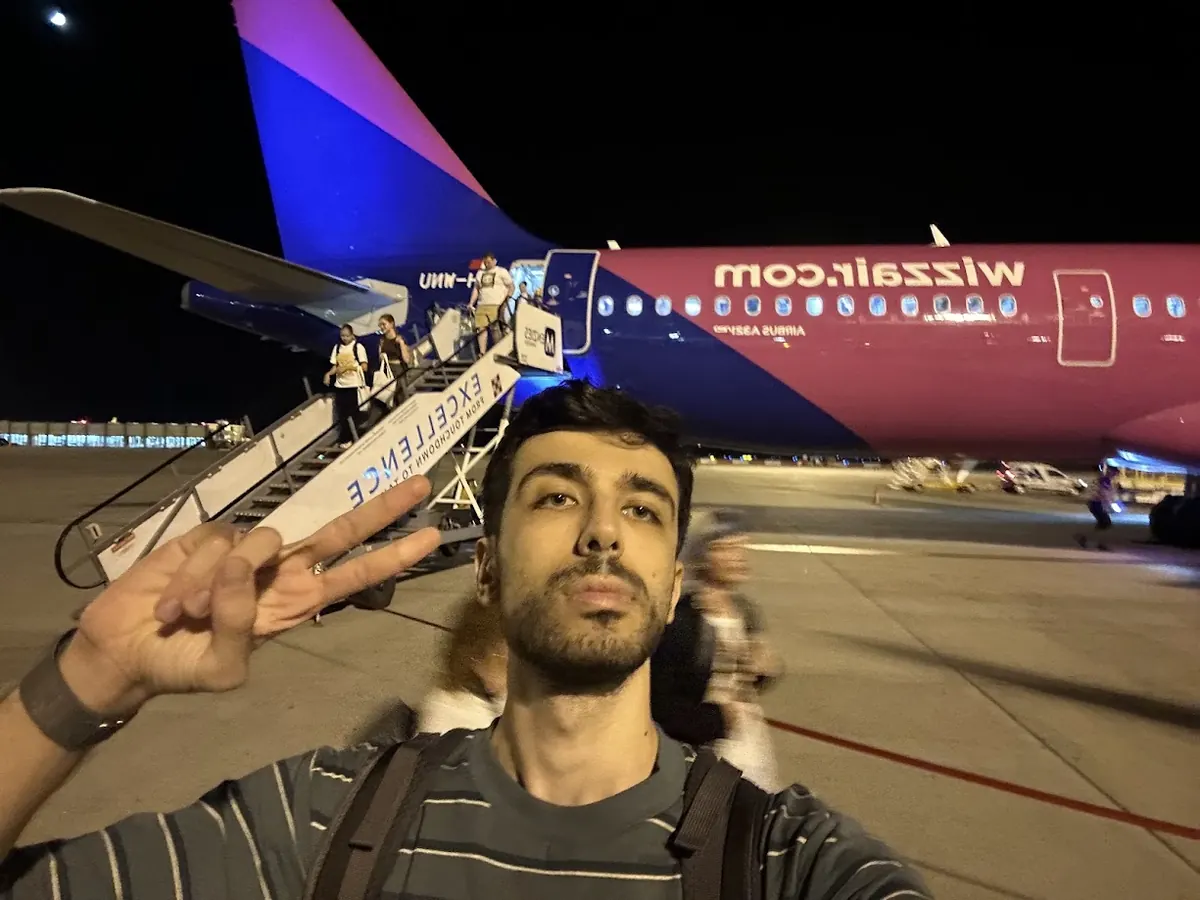
Halil Çınar is the founder and sole developer of Routavio. He designed and built the platform's data layer, the route engine and the site itself from start to finish.
- 50+ countries
- 250+ flights
- Traveling with friends since 2018
Routavio in numbers
30+ data sources · 30,000+ cities and towns · 400,000+ computed routes
What the numbers mean: places are the points a Routavio search can start or end at; computed routes are place-to-place routes the engine has calculated and stored. Counts as of 8 November 2026.
- Education
- Kadir Has University, Computer Engineering (2023)Sabancı University, Master's, Information Technologies (MSc IT), top graduate of the program
- Origin of Routavio
- Sabancı University MSc IT graduation project (2025-2026). Advisor: Emre Kaplan
- Samsung Innovation Campus
- 2023, "Real Time Forest Fire Detection" project, 1st Featured Project · Samsung newsroom article (2024)
- Travel
- More than 50 countries, many of them across Europe; most trips with a group of friends
- Contact
- support@routavio.com
Sources
News article
TravHQ
Routavio maps the last leg: 175,000 active users in four weeks
travhq.comFounder opinion piece
Hosteltur
El mejor camino no siempre es el que conoces: el desafío de viajar más allá del aeropuerto
hosteltur.comTechnical article
DEV Community
Engineering a Multimodal Travel Planner on a 228,060-Edge Graph
dev.toTechnical article
DEV Community
Why Dijkstra Was Not Our Default for Multimodal Route Optimization
dev.toTechnical article
DEV Community
A 24.6x Latency Gap That Had Almost Nothing to Do With Graph Search
dev.to
From the Road

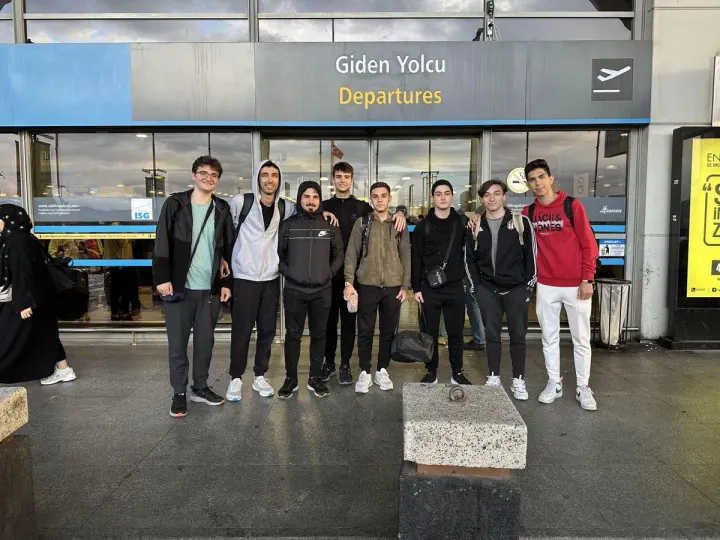
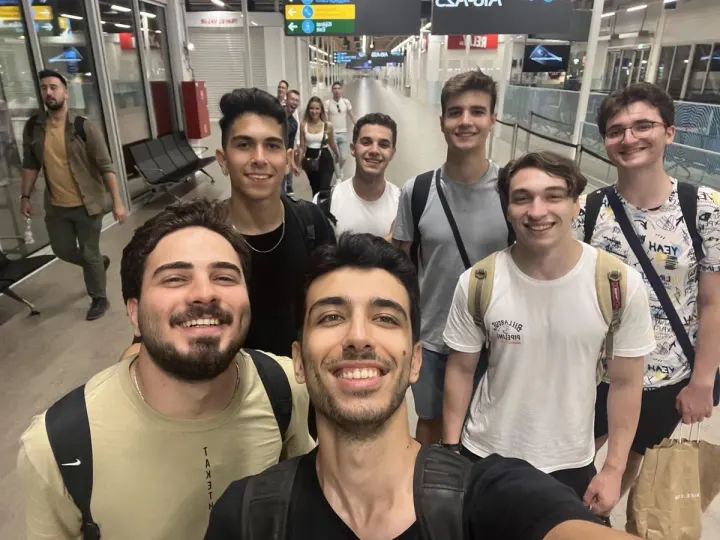
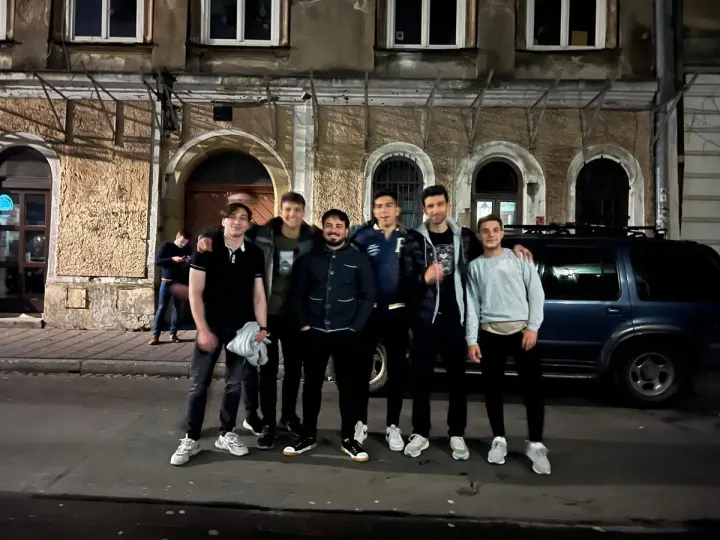
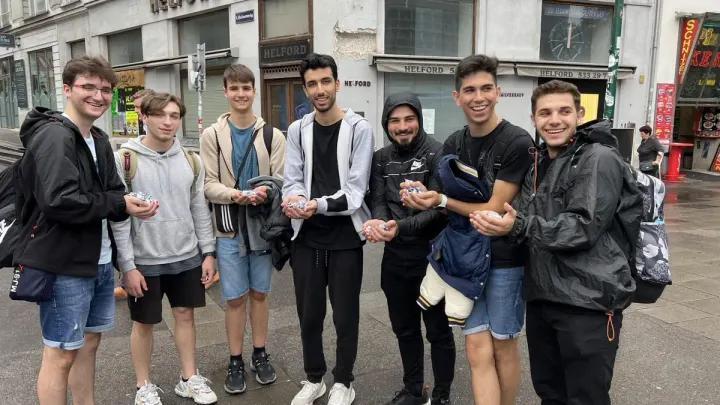














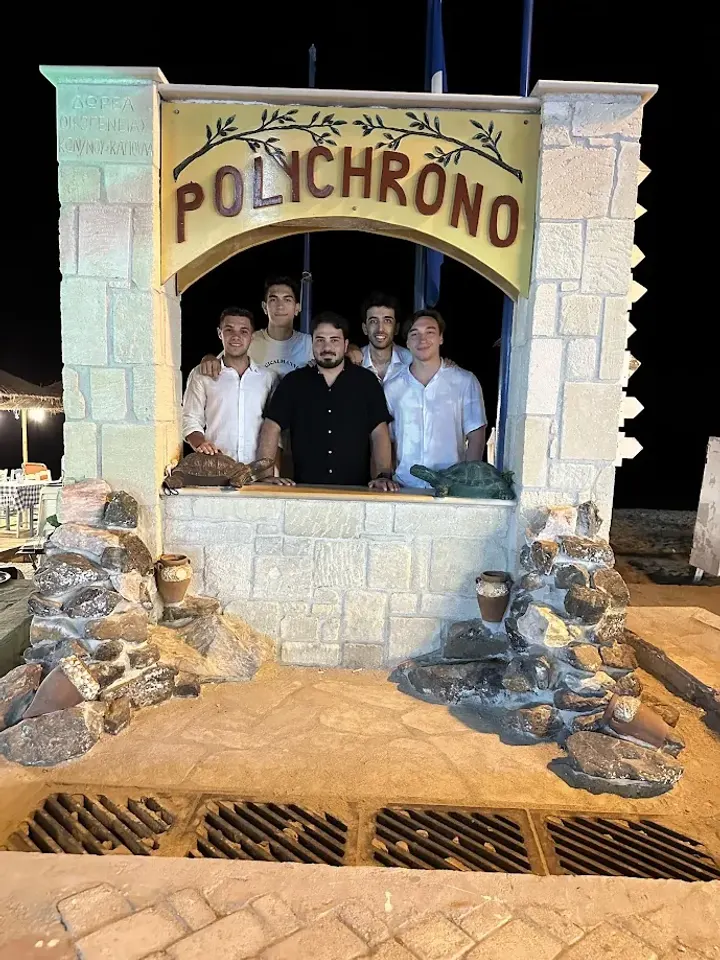



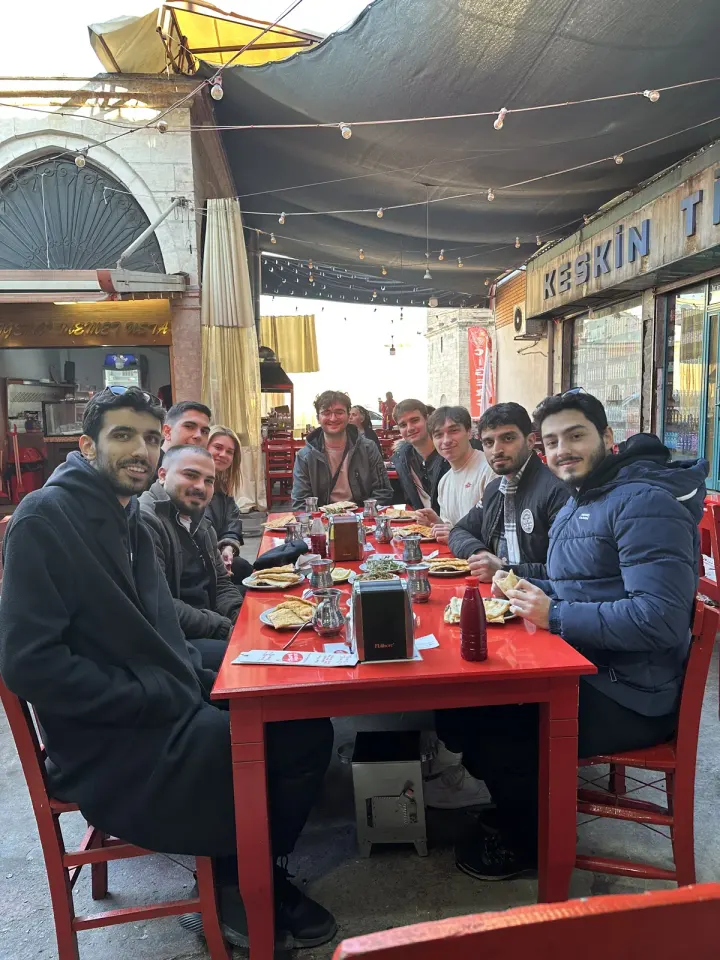

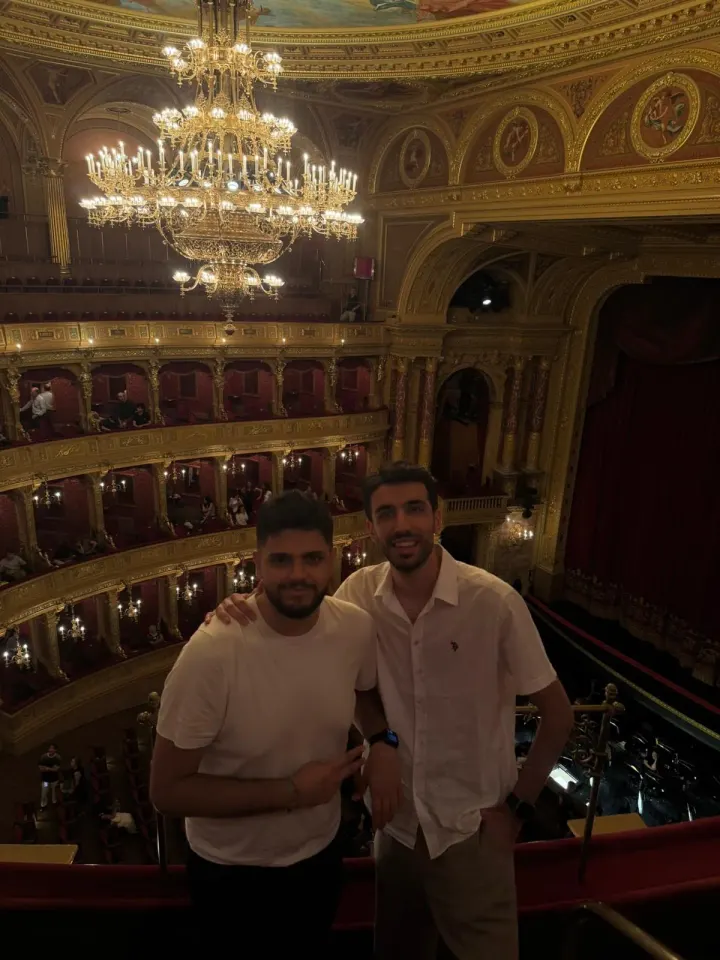




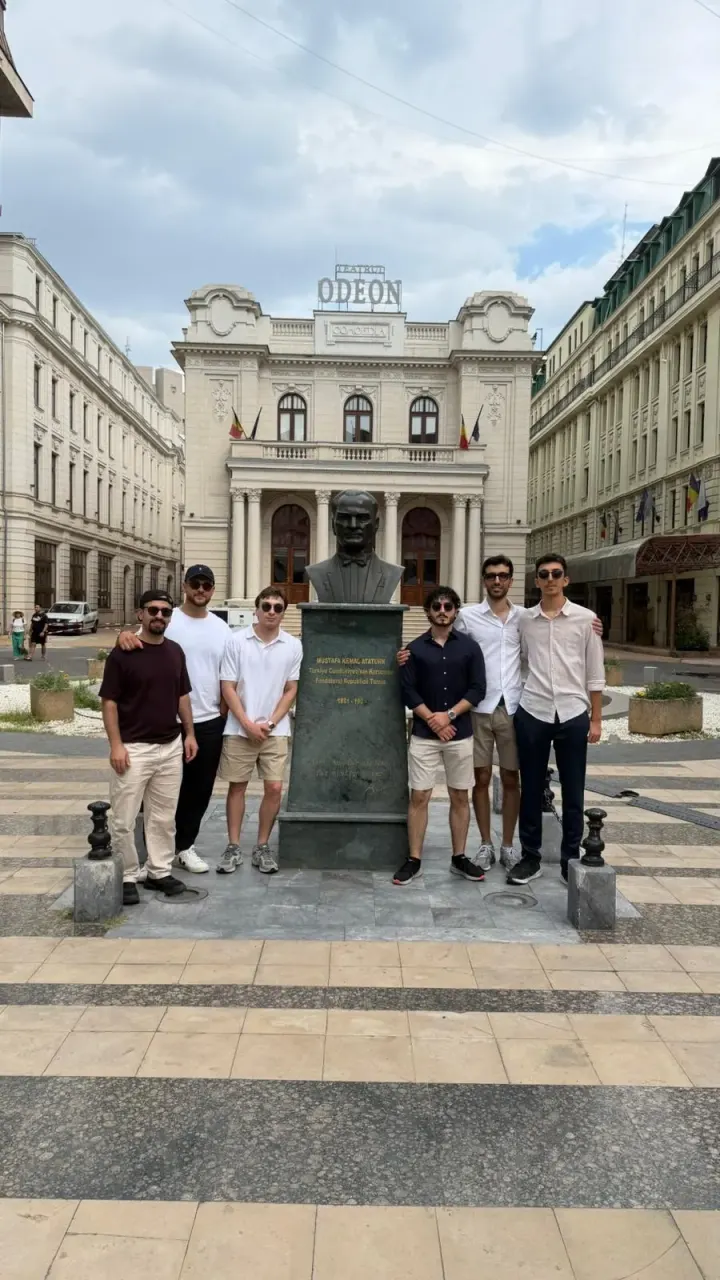

A Letter to the Traveller
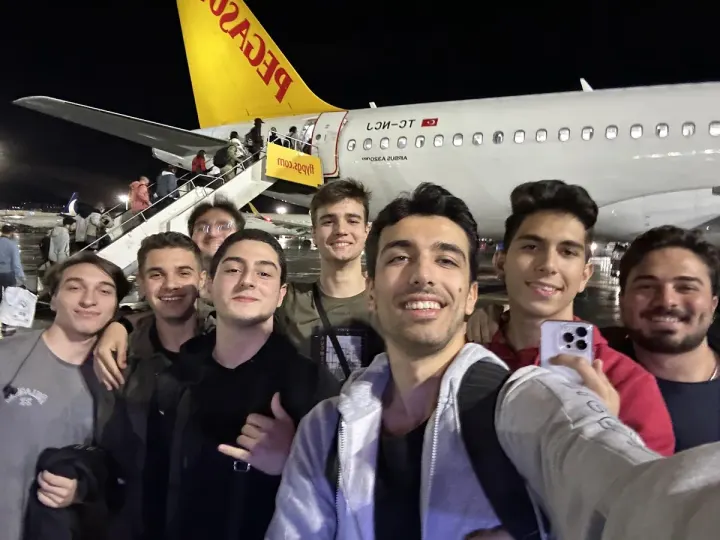
Every journey starts at a door. Sometimes on a plane, sometimes on a train, and sometimes the real story begins at the bus station of a city you have never heard of. The people you meet on the way, the unexpected stops, the missed connections and the unplanned discoveries… When you look back, what you remember is often not only where you arrived, but how you got there.
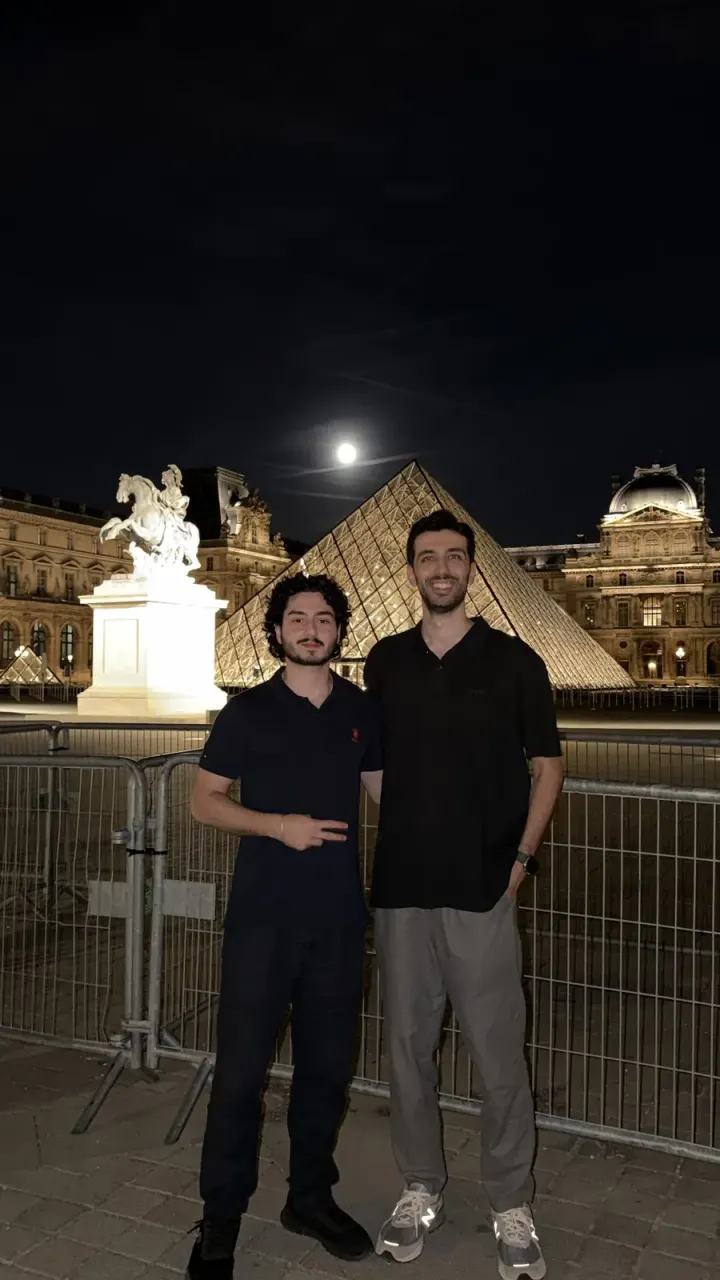
Over the years I explored different countries, cities and roads with my friends. Sometimes reaching the place we wanted to go was harder than planning what to do once we were there. That is why I built Routavio, to find an answer to the simple question I had asked myself so many times: How do I get there?
If Routavio today makes it easier for someone I have never met to discover a new place, to reach a city that seemed far away, or to plan a journey they had never thought of, that is the greatest reward for me.
Because the world is not made only of big cities and popular destinations. Sometimes the best memories are hidden in a small town whose name you can barely find on the map, in the view from a train window, or at a stop you never planned to make.
Do not hesitate to go to places that look small on the map. The colourful half-timbered houses along the canal in Colmar, the centuries-old stone bridge over the Maas in Maastricht, Hallstatt tucked between its lake and the mountains, Giethoorn where canals take the place of streets, the old town of Český Krumlov in a bend of the Vltava… None of them is a big city, yet each one is every bit as beautiful as the big ones.
I hope Routavio helps you find the routes that take you not only where you want to go, but also to places you have not yet thought of going.
May your road be open, and may you never run out of places to discover.
So, Where Does Your Next Journey Go?
Explore flight, train, bus and ferry options in a single search.
Search a route →Routavio is a door-to-door travel search platform that compares flights, trains, buses and ferries. It does not sell tickets; prices are shown with their check date and the provider has the final say. The photos are from the founder's own journeys and are published with the permission of the friends in them. Support: support@routavio.com